
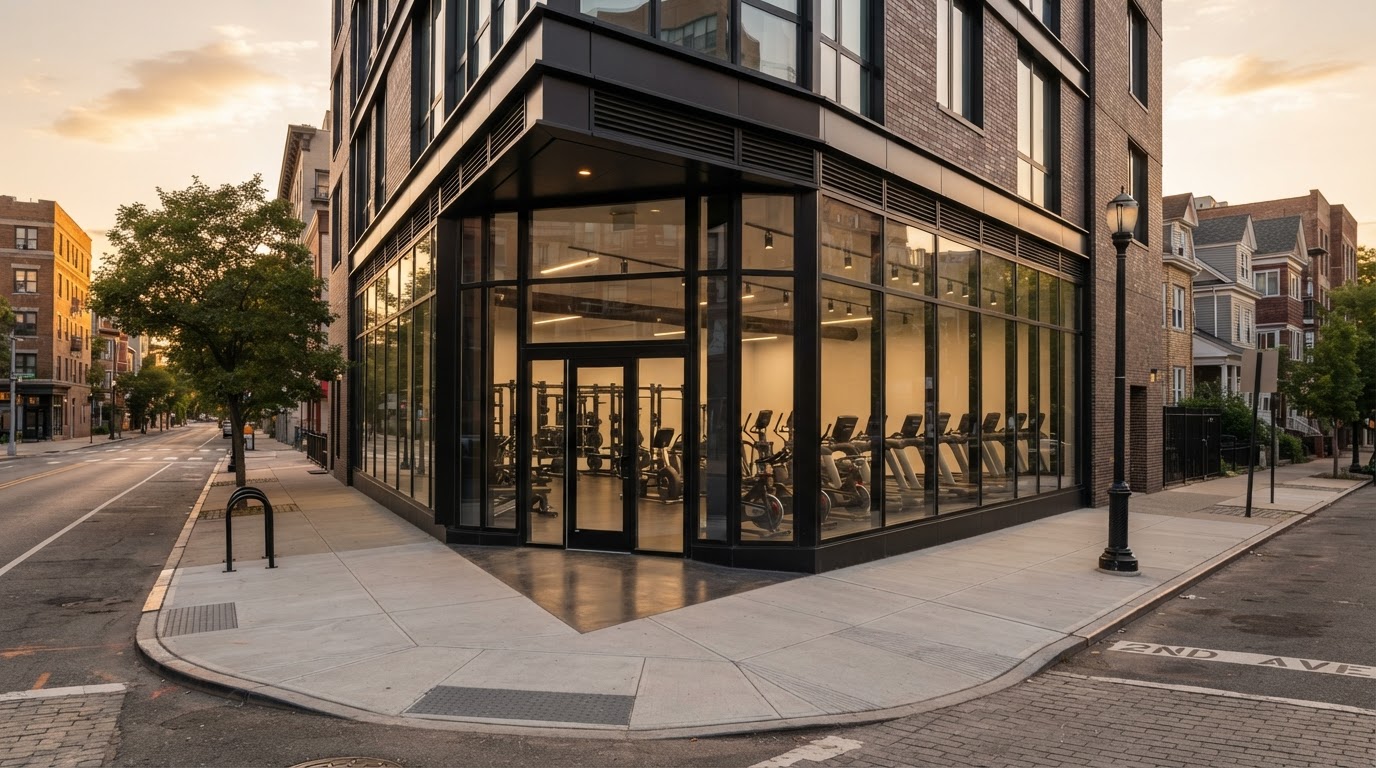
Defining 'Near Me' in Practical Terms
When people search for a gym membership near them, they usually mean a club that fits into their existing routine without adding a dedicated trip. The useful definition is not raw mileage but travel time at the hours you actually train. A club eight minutes from home at noon might be twenty minutes during rush hour, so test the route at your real training time. Define near as anything you can reach without resenting the drive, because resentment is what eventually cancels memberships. The right local gym disappears into your day rather than competing with it.
Balancing Distance Against Price and Amenities
Near, cheap, and well-equipped rarely all align, so you trade off deliberately. Decide which two matter most before you shop. If consistency is your weak link, prioritize distance and accept a slightly higher price or fewer amenities. If budget is the constraint, pick the cheapest acceptable club within your radius and confirm it has the equipment you need. If your training requires specific gear, like Olympic platforms or a lap pool, let that drive the choice and accept a longer drive. Naming your priority up front prevents analysis paralysis when you tour three similar clubs.
What to Verify on a Local Tour
A quick tour tells you more than any website. Walk the floor at your intended training hour and count available racks, benches, and cardio machines, not the total inventory but what is free right now. Inspect the locker rooms for cleanliness and working showers. Ask how classes fill and whether you can reserve a spot. Watch how staff interact with members, because a friendly front desk makes a local gym feel like a community you want to return to. Bring your questions in writing so you do not forget the fee schedule and cancellation terms under sales pressure.
Hidden Costs in Nearby Memberships
Local clubs often carry costs that do not appear in the advertised rate. Annual maintenance fees, enrollment charges, card-replacement fees, and premium-class surcharges add up. Some clubs charge for parking, towel service, or locker rental. A nearby gym with a low monthly rate and a $59 annual assessment plus a $50 join fee can cost more in year one than a slightly pricier club with no extra fees. Ask for the complete first-year cost in writing, and compare options on that total rather than the monthly number alone.
Renewal and Cancellation for Local Clubs
Before joining, understand how the membership ends as well as how it begins. Most clubs require a written or digital cancellation notice, commonly 30 days, and some annual contracts charge an early-termination fee unless you qualify for a relocation or medical exemption. Ask whether the club freezes memberships for travel or injury, and whether unused months roll over. A local gym is easiest to cancel when the process is simple, so factor the cancellation policy into your choice the same way you factor equipment and hours.
Frequently Asked Questions
How close should a gym be for me to actually use it?
Aim for a club you can reach in about ten to fifteen minutes at the hours you train. Travel time at your real schedule matters more than map distance.
What hidden fees should I ask a local gym about?
Ask about annual maintenance fees, enrollment charges, card fees, parking, and premium-class surcharges, then compare clubs on total first-year cost.
How do I cancel a local gym membership?
Most clubs require written or digital notice, often 30 days, and some annual plans charge early-termination fees unless you qualify for relocation or medical exemptions.